
4 Unknown but Potentially Life Saving Renovations:
Essential Home Upgrades for Safety
Home renovations can be exciting and rewarding projects. Many homeowners focus on updating kitchens, bathrooms, or adding new living spaces. But some lesser-known renovations could potentially save your life.
You may want to consider these four often overlooked home improvements that could make a big difference in an emergency. While they may not be as flashy as a new granite countertop, these changes could provide crucial protection for you and your loved ones. Let’s explore some home renovation ideas that put safety first.
1) Radiant Floor Heating

Radiant floor heating can be a game-changer for your home comfort. This system uses electric wires or hydronic pipes installed beneath your floors to provide even warmth throughout your space.
You’ll love stepping onto a warm floor on chilly mornings. It’s a luxury that enhances your comfort every day.
One big advantage is energy efficiency. By directly heating objects and people in the room, radiant heating cuts down on heat loss. This can lead to lower energy use and cost savings over time.
Another plus is how quiet it is. Unlike forced-air systems that can be noisy, radiant floor heating works silently.
You might wonder about the cost. Installing radiant floor heating can be pricey upfront. But many homeowners see energy savings of 10% to 30% over time. In some cases, savings of up to 60% are possible.
Daily operating costs vary. Expect to pay between $1.50 and $7 per day to run your radiant floor heating system.
2) House Lifting
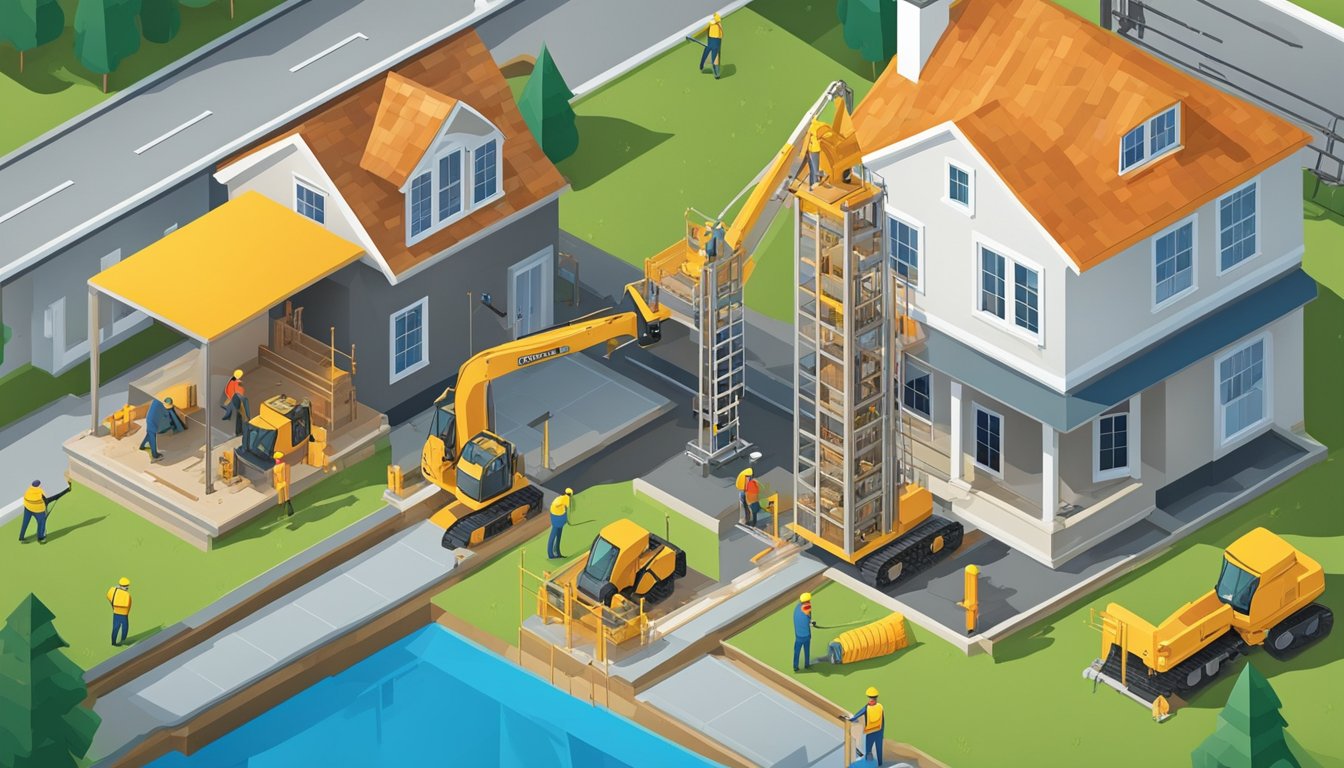
House lifting is a renovation that can save your home from flooding and other natural disasters. This process involves raising your entire house to a higher elevation.
House lifting projects typically take a few days to a few weeks. The exact time depends on your home’s size and the specific reasons for lifting.
You might consider house lifting if you live in a flood-prone area. It can protect your property from water damage and potentially save lives during severe weather events.
Another benefit of house lifting is the extra space it creates. You can add a new basement or additional living quarters underneath your raised home.
House lifting can also help fix structural issues. It allows for easier access to repair foundation problems or address wear and tear on lower levels.
The process uses hydraulic jacks to carefully lift your home. Experts do this in stages to avoid twisting the structure.
After lifting, proper maintenance is crucial. Regular checks ensure your newly elevated home remains safe and secure.
While it may seem drastic, house lifting can significantly increase your property value. It’s an investment that can pay off in both safety and financial terms.
3) Tankless Water Heaters

Tankless water heaters can be a game-changing addition to your home. Unlike traditional units, they heat water on demand, providing an endless supply of hot water.
These units take up less space and have a lower risk of leaking. They also tend to be safer and have a much longer lifespan than traditional tank-style heaters.
The energy efficiency of tankless water heaters is impressive. They can be 24-34% more efficient than conventional storage tank models. This can translate to significant savings on your utility bills.
You might save between $100 and $200 annually by switching to a tankless system. Over time, these savings can help offset the higher upfront cost of installation.
Tankless water heaters also have a longer lifespan. They typically last 20 years or more, compared to 10-15 years for traditional tank heaters.
While the initial investment is higher, the long-term benefits can make tankless water heaters a wise choice for your home. They provide comfort, efficiency, and potential cost savings over time.
4) Smart Home Security Systems

Smart home security systems can be a life-saving addition to your home. These systems use advanced technology to protect you and your family from various threats.
Smart cameras are a key component of these systems. They allow you to monitor your property in real-time, even when you’re away. You can receive alerts on your phone if unusual activity is detected.
Door and window sensors are another crucial feature. They notify you immediately if someone tries to enter your home unauthorized. This quick alert can be crucial in preventing break-ins.
Some systems include smoke and carbon monoxide detectors. These can warn you of dangerous conditions, potentially saving lives in case of fire or gas leaks.
Many smart security systems offer 24/7 professional monitoring. This means experts are always watching over your home, ready to alert authorities if needed.
You can control these systems remotely using your smartphone. This allows you to arm or disarm your system, lock doors, and adjust settings from anywhere.
While these systems offer many benefits, it’s important to consider potential drawbacks. Security concerns exist, as any online technology can potentially be hacked. However, reputable systems use strong encryption to protect your data.
The Importance of Safety in Home Renovations
Safety is crucial when renovating your home. It protects you, your family, and workers from harm. Taking the right precautions can prevent accidents and ensure a successful project.
Risk Assessment and Mitigation
Before starting renovations, assess potential hazards. Look for electrical risks, unstable structures, or harmful materials like asbestos. Make a list of these dangers and plan how to deal with them.
Use proper safety gear. Hard hats, safety glasses, and work boots are must-haves. Ensure all tools are in good condition and used correctly.
Create a clear work area. Remove tripping hazards and keep paths open. Good lighting is key for safe work.
Be careful with power tools. Always unplug them when not in use. Keep cords tidy to avoid trips and falls.
Prioritizing Structural Integrity
Focus on your home’s structure during renovations. Weak foundations or supports can lead to serious problems.
Check load-bearing walls before removing them. Get expert advice if unsure. Proper support is vital when making big changes.
Look at your roof and floors. Fix any water damage or rot. These issues can worsen if ignored.
Consider seismic safety in earthquake-prone areas. Reinforce walls and secure heavy items.
Get permits for major work. They ensure your changes meet safety codes. This protects you and future owners.
Regular inspections during the project help catch issues early. Address problems promptly to avoid bigger risks later.
Innovative Renovation Techniques
Home upgrades are evolving rapidly. New methods can make your living space safer and more efficient. Let’s look at two key areas of innovation.
Smart Home Technology Integration
Smart home tech is changing how we live. You can now control many home functions from your phone. This includes lighting, heating, and security systems.
Voice-activated assistants are becoming common. They can help you manage your home hands-free. You can ask them to adjust the thermostat or lock the doors.
Smart sensors can detect issues early. They can alert you to water leaks or high carbon monoxide levels. This early warning can prevent disasters and save lives.
Some systems learn your habits over time. They can automatically adjust settings for comfort and efficiency. This can lead to energy savings and lower bills.
Innovative Materials
New materials are making homes stronger and safer. You can now use fire-resistant drywall to slow the spread of flames. This gives you more time to escape in case of a fire.
Impact-resistant windows are another key upgrade. They can withstand strong winds and flying debris. This is crucial for protecting your home during storms.
Self-healing concrete is an exciting development. It can repair small cracks on its own. This helps maintain the structural integrity of your home over time.
Anti-microbial surfaces are gaining popularity. They can help reduce the spread of germs in your home. This is especially useful in kitchens and bathrooms.