
Expert Solutions for Structural Stability
Foundation problems can cause serious damage to your home. Cracks in walls, uneven floors, and sticking doors are signs of a failing foundation. These issues don’t go away on their own.
Foundation repair in London, Ontario is crucial to protect your property and maintain its value. Left unchecked, foundation issues can lead to costly structural damage. Getting repairs done early can save you money in the long run. Luckily there are great options to hire expert foundation repair experts in London like JR’s Waterproofing and Structural Repairs who focus on all the problem areas of leaky basements and cracking foundations.
You have options for fixing foundation problems in London. We just gave you the first one!
Common solutions include filling cracks, waterproofing, and installing support systems. A professional can assess your specific situation and recommend the best approach. Taking action now can give you peace of mind about your home’s stability.
Understanding Foundation Damage in London Ontario

Foundation damage can seriously affect homes in London Ontario. Knowing the types, causes, and signs of issues helps homeowners spot and fix problems early.
Types of Foundation Damage
Foundation damage in London Ontario comes in several forms. Cracks in the foundation are common. They can be vertical, horizontal, or diagonal. Small hairline cracks may not be serious, but wider cracks often signal bigger problems.
Bowed walls are another issue. This happens when the wall curves inward. It’s often caused by pressure from the soil outside.
Water damage is also a concern. It can lead to mold, rot, and structural weakness. In severe cases, parts of the foundation may sink or settle unevenly.
Common Causes of Damage
Soil issues often cause foundation damage in London Ontario. Clay soils expand when wet and shrink when dry. This movement puts stress on foundations.
Water is a major culprit. Poor drainage around your home can lead to water pooling near the foundation. This creates hydrostatic pressure, pushing against walls and floors.
Tree roots can also cause problems. They can grow under or against foundations, causing cracks or shifts.
Extreme weather is another factor. Freeze-thaw cycles in winter can crack concrete. Hot, dry summers can cause soil to shrink, leading to settlement.
Signs of Foundation Issues
Watch for visible cracks in walls, floors, or the foundation itself. These may start small but can grow over time.
Doors or windows that stick or won’t close properly can indicate foundation movement. Uneven floors or a tilting chimney are also red flags.
In the basement, look for damp spots, mold, or a musty smell. These can point to water seepage through foundation cracks.
Outside, check for gaps between your home’s walls and the ground. Cracks in exterior brickwork or concrete can also signal foundation problems.
Assessing Your Foundation

Foundation problems can lead to serious issues if left unchecked. Proper assessment helps catch problems early and saves you money in the long run.
Professional Evaluation Methods
Foundation experts use several tools to check your home’s foundation. They may use a level to spot uneven floors or walls. Crack monitors track changes in existing cracks over time. Moisture meters detect dampness that could weaken the structure.
Professionals also look for telltale signs like sticking doors, gaps around windows, or sloping floors. They might use specialized cameras to inspect hard-to-reach areas. In some cases, soil testing helps determine if the ground under your home is stable.
These evaluations often include a detailed report with recommendations. This gives you a clear picture of your foundation’s health.
DIY Assessment Tips
You can spot potential foundation issues yourself with some simple checks. Walk around your home’s exterior and look for cracks in the walls or foundation. Pay attention to any that are wider than 1/4 inch.
Inside, check for uneven floors using a tennis ball. If it rolls on its own, your floor might not be level. Look for cracks above doorways or where walls meet ceilings. These could signal foundation movement.
Keep an eye out for doors or windows that stick or don’t close properly. Check your basement or crawl space for musty smells or visible moisture. These signs often point to foundation problems.
Take notes and photos of anything unusual. This information will be helpful if you need to call in a professional later.
Waterproofing Solutions for Your Home

Protecting your home from water damage is crucial. Effective waterproofing can prevent costly repairs and maintain your property’s value.
Exterior Waterproofing Techniques
Exterior waterproofing creates a barrier to keep water out of your foundation. It often involves excavating around the foundation to apply waterproof coatings or membranes.
One common method is applying a thick layer of waterproof material to exterior walls. This can be tar-based, polymer-based, or a rubber membrane.
Another technique is installing a French drain system. This involves placing perforated pipes around your foundation to direct water away from the house.
Grading the soil around your home is also important. Proper sloping helps water flow away from the foundation instead of towards it.
Interior Waterproofing Methods
Interior waterproofing focuses on managing water that’s already entered your basement or crawl space. These methods are often less expensive but may not solve all moisture issues.
Applying waterproof sealants or coatings to interior walls is a basic approach. These products can help prevent minor seepage.
Installing a sump pump is another key strategy. It removes water that collects in a sump pit, pumping it away from your home.
Dehumidifiers can also play a role in interior waterproofing. They reduce moisture levels, helping prevent mold growth and musty odors.
Crack injection is useful for fixing specific problem areas. Special epoxy or polyurethane foam is injected into cracks to seal them.
Foundation Repair Techniques

Foundation repair uses several methods to fix structural issues. Each technique addresses specific problems to restore stability and prevent further damage.
Crack Repair
Cracks in foundations can lead to water leaks and structural weakness. Crack injection is a common fix. This method uses epoxy or polyurethane to fill and seal cracks.
For small cracks, surface sealing may be enough. Larger cracks need deeper repair. The process starts by cleaning the crack. Then, injection ports are installed. Finally, the repair material is injected under pressure.
Concrete repair is another option for more severe damage. This involves removing damaged concrete and replacing it with new material. It’s often used for extensive cracking or spalling.
Underpinning Solutions
Underpinning strengthens foundations that have settled or shifted. It involves extending the foundation deeper or wider to increase support.
There are several underpinning methods:
- Mass concrete underpinning
- Beam and base underpinning
- Mini-piled underpinning
Each method suits different soil types and building structures. The choice depends on factors like soil conditions, building weight, and access to the site.
Underpinning can be costly but it’s often necessary to prevent further damage. It’s a complex process that requires expert assessment and execution.
Helical Piles Installation
Helical piles are a modern foundation repair solution. They’re steel shafts with helical plates welded to them. These piles are screwed into the ground to support structures.
The installation process is quick and causes minimal disturbance. A machine rotates the pile into the soil until it reaches the required depth. Then, the pile is attached to the foundation with brackets.
Helical piles work well in various soil types. They can support both new construction and existing buildings. Their main advantages are:
- Fast installation
- Immediate load-bearing capacity
- Minimal excavation needed
- Year-round installation possible
Foundation waterproofing often accompanies these repair techniques. It helps prevent future water damage and maintains the integrity of the repairs.
Managing Water and Drainage Issues

Proper water management and drainage are key to protecting your home’s foundation. Taking steps to control water flow and improve drainage can prevent costly damage.
Improving Drainage Around the Home
Ensure your yard slopes away from your foundation. Aim for a 6-inch drop over 10 feet. This helps water flow away naturally. Clean your gutters regularly to prevent overflow.
Install downspout extensions to direct water at least 5 feet from your home. Consider adding a rain barrel to collect runoff.
Create a swale – a shallow, sloped channel – to guide water away if needed. Use landscaping strategically. Plant water-loving trees and shrubs away from your foundation.
Check for low spots near your foundation where water pools. Fill these with compacted soil. Be sure to maintain proper grading over time as soil settles.
Installation of Weeping Tile Systems
A weeping tile system is crucial for managing underground water. It’s a perforated pipe installed around your foundation’s perimeter.
The pipe collects excess water and directs it away from your home. This helps prevent hydrostatic pressure buildup against foundation walls.
Install the weeping tile at the base of your foundation walls. Surround it with gravel to aid water flow. Ensure the pipe slopes away from your home.
Connect the weeping tile to a sump pump or drainage ditch. This moves collected water safely away. Regular maintenance is important. Have the system inspected every few years.
For older homes without weeping tiles, retrofitting is possible. While costly, it’s often worthwhile to protect your foundation.
Preventing Future Foundation Problems

Taking proactive steps can save you from costly repairs down the line. Regular checks and smart landscaping choices play key roles in keeping your foundation strong.
Routine Maintenance and Inspection
Check your foundation walls for cracks every six months. Look for gaps wider than 1/8 inch, as these may need foundation crack repair. Inspect the exterior of your home after heavy rains. Water pooling near the foundation is a red flag.
Keep gutters clean and direct downspouts at least 5 feet away from your house. This prevents water from seeping into the soil around your foundation. Fix any plumbing leaks promptly to avoid moisture buildup.
Test your sump pump regularly, ideally every three months. A working sump pump is crucial for preventing a leaky basement.
Landscaping Considerations
Maintain a slope away from your house. The ground should drop 6 inches over a distance of 10 feet. This helps water flow away from your foundation.
Be careful with tree placement. Large trees should be at least 20 feet from your home. Their roots can cause soil to shift and damage your foundation.
Use mulch in garden beds near your house. It helps retain moisture and prevents soil from drying out and shrinking. Avoid overwatering plants close to your foundation.
Consider installing a French drain if you have persistent drainage issues. This can redirect water away from your foundation effectively.
Choosing a Foundation Repair Specialist
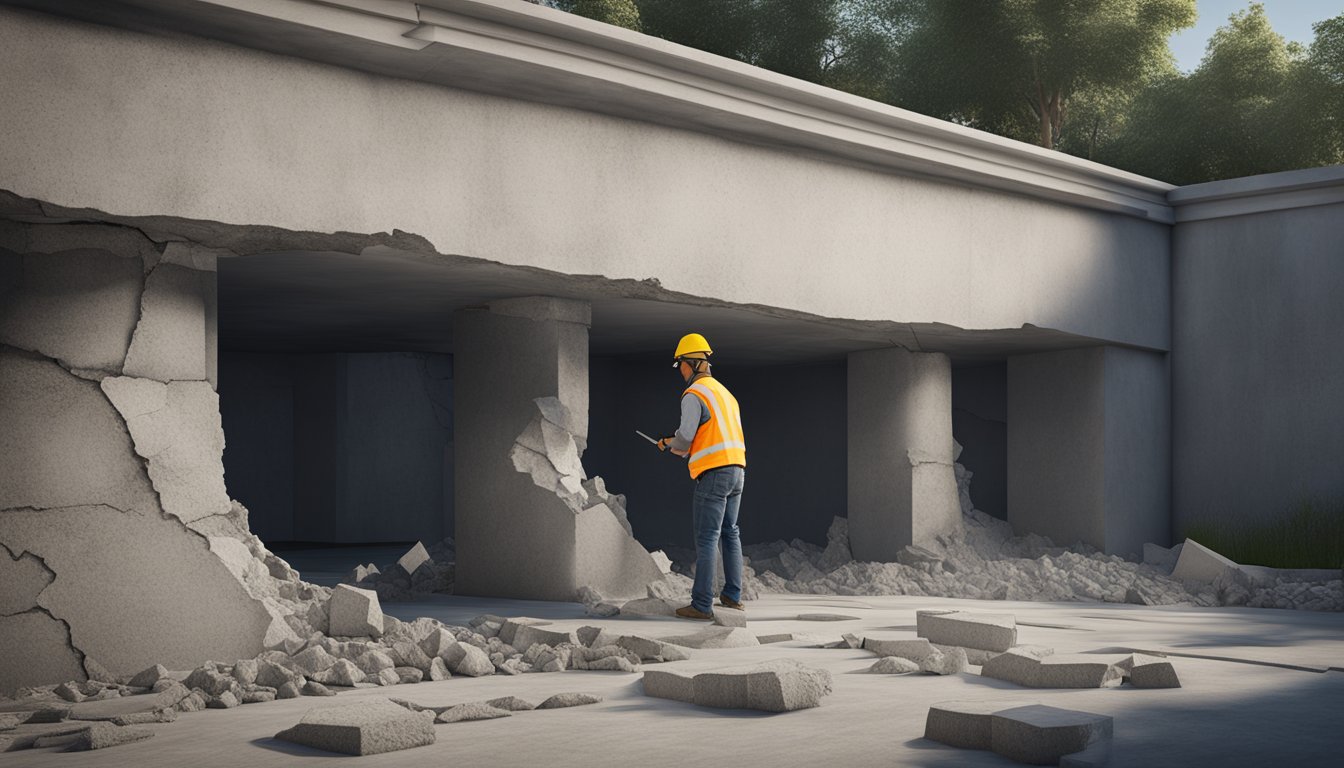
Picking the right expert for your foundation repair is crucial. It can mean the difference between a long-lasting fix and ongoing problems. Let’s look at what you should consider when making this important choice.
Qualifications and Experience
When selecting a foundation repair specialist, look for proper certifications and licenses. Check if they belong to professional organizations in the field. Ask about their training and how long they’ve been fixing foundations.
Experience matters a lot. A seasoned pro will have seen many types of foundation issues. They’ll know the best ways to fix them. Ask how many jobs like yours they’ve done. Good specialists often use advanced tools like helical piles for tough repairs.
Don’t be shy about requesting references. Talk to past clients. Ask if the repairs held up over time. A good specialist will be happy to share this info.
Warranty and Guarantee Options
Strong warranties show a company stands behind its work. Look for specialists offering long-term coverage. Some may provide a 25-year transferable warranty. This can add value to your home if you sell.
Read warranty terms carefully. What exactly is covered? Are there any conditions? Some warranties might need yearly inspections to stay valid.
Ask about guarantees for the work. Will they fix any issues that pop up later? How quickly will they respond if problems occur? Clear, written guarantees protect you and show the specialist’s confidence in their repairs.
Remember, good warranty options often mean higher upfront costs. But they can save you money and stress in the long run.
Costs and Financing Foundation Repairs

Foundation repairs can be a significant expense for homeowners. The cost varies based on the type and extent of damage. Let’s explore typical repair costs and financing options.
Understanding Repair Costs
Foundation crack repairs in Ontario typically cost between $500 and $2,000. The price depends on the crack’s size and location. More severe issues like bowing walls or uneven floors may cost more.
Basement flooding can increase repair costs. Water damage often requires additional waterproofing measures. These can include installing a sump pump or improving drainage around your home.
Factors affecting repair costs:
- Type of foundation (concrete, brick, stone)
- Extent of damage
- Accessibility of the damaged area
- Soil conditions
Exploring Financing and Insurance
You have several options to finance foundation repairs. Home equity loans or lines of credit are common choices. These allow you to borrow against your home’s value at lower interest rates than personal loans.
Some repair companies offer financing plans. These can help spread the cost over time. Check the terms carefully before agreeing to any financing.
Insurance may cover some foundation repairs. This usually applies if the damage results from a covered event like a sudden plumbing leak. Regular wear and tear is typically not covered.
Steps to explore financing:
- Get multiple repair quotes
- Check with your bank about home equity options
- Ask repair companies about their financing
- Review your insurance policy for coverage
Remember to choose a reputable contractor. Look for companies that offer warranties on their work. This can protect your investment in the long term.