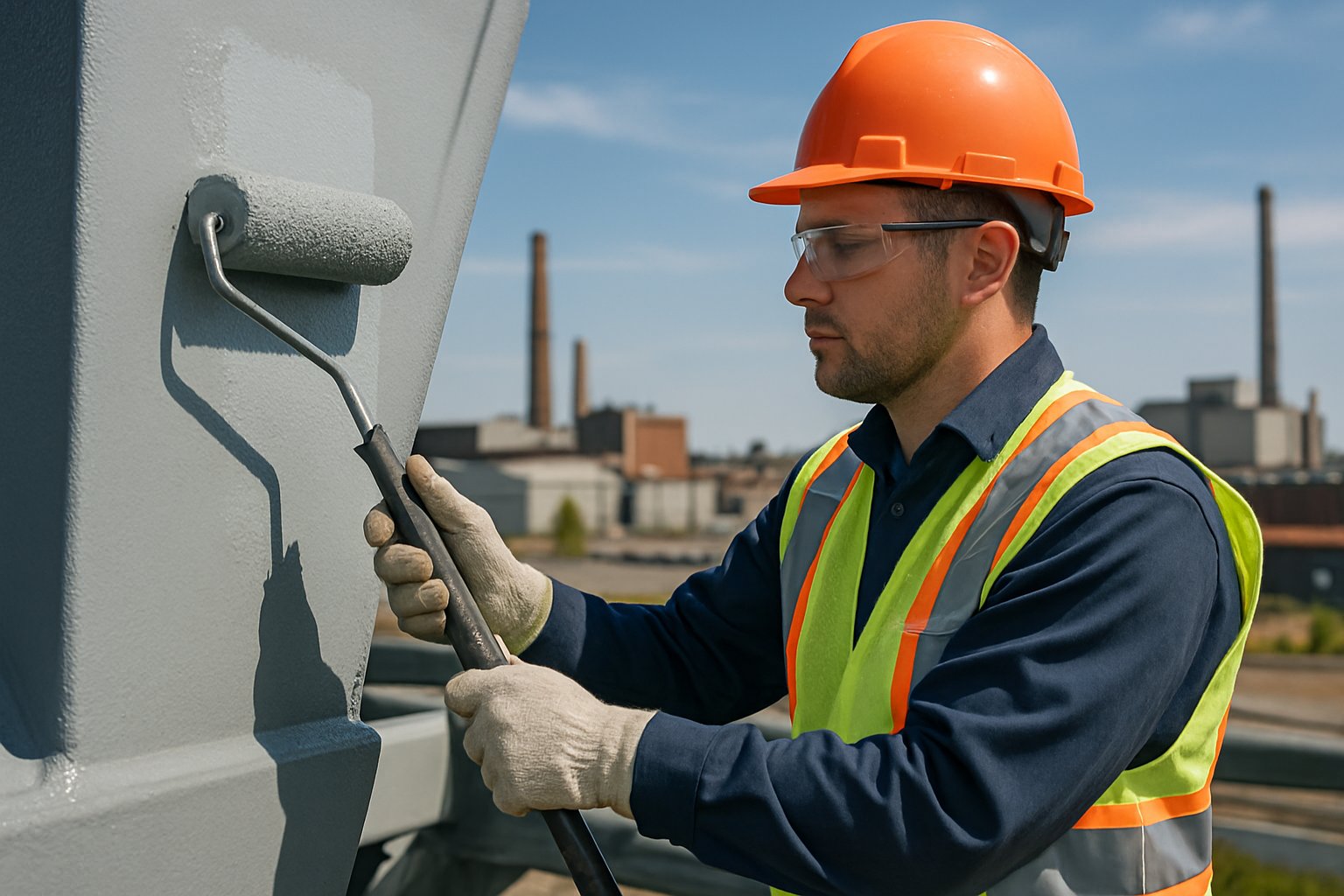
Specialized Painting Services and Best Practices for Industrial Applications
Industrial painting in Southern Ontario is a specialized trade that blends technical skill with hands-on know-how. The region’s manufacturing and commercial facilities from Windsor’s automotive plants to Hamilton’s food processing centers all demand coating solutions that can handle tough conditions and strict regulations.
Professional industrial painting contractors in Southern Ontario offer more than just a coat of paint. They handle surface prep, specialty coatings, epoxy floors, and protective systems built for manufacturing environments.
Their services often include sandblasting, tank and silo coatings, metal deck restoration, and advanced systems for corrosion, chemical, and temperature protection.
Let’s dig into the essentials of industrial painting in this region. I’ll cover coating systems, prep techniques, how to pick qualified contractors, and what to expect when managing a big paint job.
Whether you’re planning a facility upgrade or just need to tackle some overdue maintenance, you’ll find something useful here.
Understanding Industrial Painting in Southern Ontario
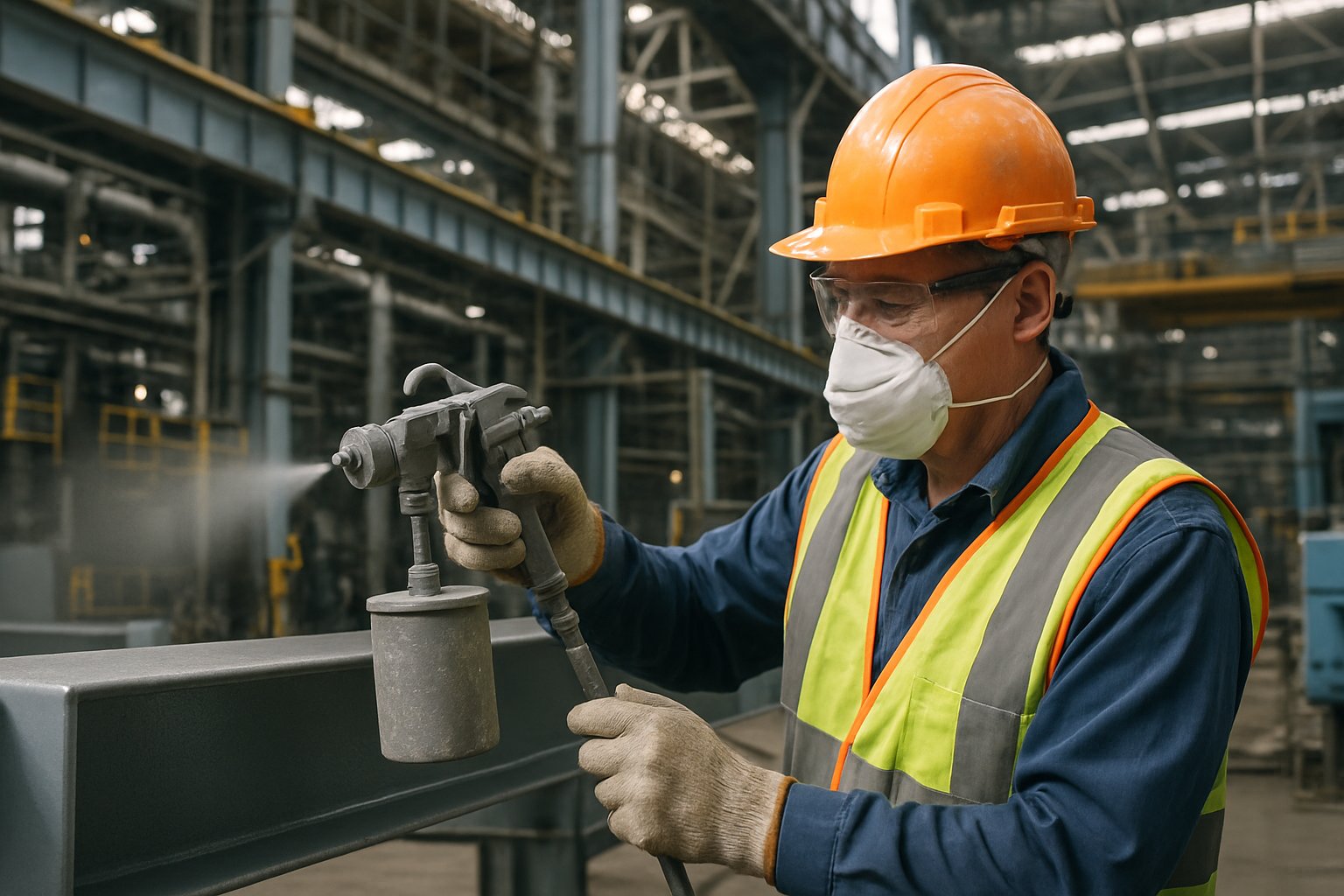
Industrial painting in Southern Ontario protects manufacturing buildings, warehouses, and equipment from weather and heavy use. This work calls for specific techniques and materials that go way beyond what you’d see in a typical commercial paint job.
What Is Industrial Painting?
Industrial painting is all about applying protective and functional coatings to structures and gear in tough environments. I see it covering everything from factory floors to the outside of a building.
Industrial painting services usually start with surface prep, maybe sandblasting or chemical cleaning—then move to primer and multiple topcoats.
Key parts of the process:
- Surface prep and cleaning
- Primer and base coat application
- Protective topcoat systems
- Anti-corrosive treatments
- Fire-resistant coatings
Industrial painting projects need special equipment like boom trucks and spray systems. These tools help painters reach high spots and cover big areas quickly.
The coatings themselves are different, too. Industrial paints need to stand up to heat, chemicals, and heavy use. Epoxy and polyurethane are favorites for their toughness.
Significance of Industrial Painting for Local Facilities
Facilities in Southern Ontario deal with some rough weather. Freeze-thaw cycles, hot summers, and cold winters all take a toll on buildings and equipment.
Southern Ontario’s climate challenges can ruin surfaces that aren’t properly protected. Proper industrial painting helps prevent corrosion, keeps out moisture, and adds chemical resistance.
Benefits include:
- Corrosion prevention for metal
- Weather resistance
- Chemical protection
- Longer lifespan for buildings and equipment
- Staying up to code with safety regulations
Without good coatings, places rack up maintenance bills fast. Rust, weather, and chemical damage can force expensive repairs or replacements.
If you run a plant or warehouse, downtime for repairs isn’t just annoying—it’s expensive. Some places lose thousands a day if production stops.
Industrial Painting vs. Commercial Painting
Industrial and commercial painting aren’t the same thing. I see big differences in the materials, prep work, and safety rules.
Materials and Coatings
Industrial jobs use coatings made to survive chemicals and heat. Commercial painting usually sticks to standard paints for offices or stores.
Surface Preparation
Industrial work often needs abrasive blasting or chemical cleaning. Commercial projects might just need a scrub and a little patching.
Safety Requirements
Industrial sites have stricter safety rules. Painters work around machines and chemicals. Commercial jobs are usually simpler.
Project Complexity
| Aspect | Industrial | Commercial |
|---|---|---|
| Surface Types | Metal, concrete, specialized substrates | Drywall, wood, basic surfaces |
| Coating Systems | Multi-layer protective systems | Single or double coat applications |
| Equipment Needed | Boom trucks, industrial sprayers | Standard brushes, rollers, sprayers |
| Downtime Considerations | Must work around production | Flexible scheduling |
Industrial painting crews need training and gear that commercial painters might not have.
Key Industrial Painting Services Offered
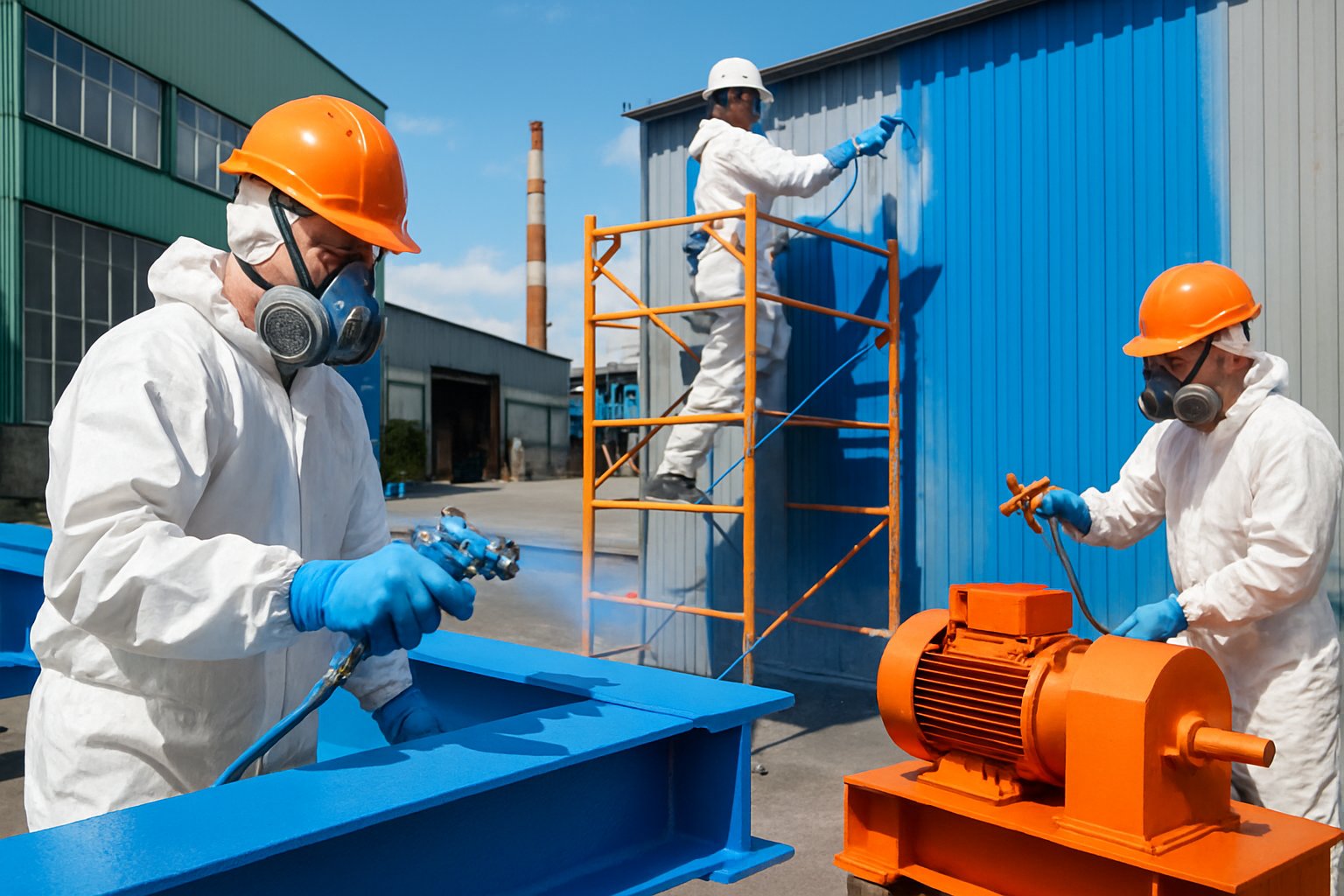
Industrial facilities need more than just basic wall paint. Services often cover both interior and exterior surfaces, tough floor coatings, and protective treatments built for harsh conditions.
Interior and Exterior Painting Solutions
Industrial painters such as the multi-generational Ray Stewart Barn Painting Services cover every surface inside and out. Interior and exterior painting services always start with prep, then primer, then layers of coatings.
Inside, the focus is on walls, ceilings, and structural steel. I work with drywall, concrete, and metal. Good airflow and dust control matter a lot for these jobs.
Outside, painting protects against weather and rust. We’re talking warehouse walls, metal roofs, and loading docks. Prep might mean power washing or scraping before primer.
Common Interior Applications:
- Facility walls
- Warehouse ceilings
- Office spaces within plants
- Steel structures
Typical Exterior Projects:
- Concrete block buildings
- Metal siding and roofs
- Brick and masonry
- Loading docks
Picking the right paint depends on the environment. Heavy-traffic areas need tough, washable finishes. Near equipment, chemical resistance is a must.
Epoxy Floor Coatings
Epoxy floor coating is the go-to for industrial floors. It’s seamless, chemical-resistant, and can handle forklifts and heavy traffic.
First comes concrete prep and crack repair. Then, we apply multiple epoxy layers. If the floor isn’t prepped right, the coating won’t last.
Epoxy floors are easy to clean, resist oil and chemicals, and don’t trap dust.
Epoxy Coating Types:
- 100% solids for max durability
- Water-based for low odor
- Self-leveling for a smooth look
- Anti-slip for safety
We often paint lines and safety zones as part of the job. That helps with flow and keeps people safe.
Curing times vary. Most epoxy floors can handle light traffic in 24 hours, but full use usually takes 72.
Specialty and Protective Coatings
Some coatings do more than just look good. Specialty products tackle fire, corrosion, and chemicals.
Protective coatings for steel stop rust and extend the life of equipment. Zinc-rich primers and polyurethane topcoats hold up in tough spots.
High-temperature coatings protect surfaces near furnaces or boilers. Some products handle heat over 500°F.
Specialty Coating Applications:
- Fuel tanks
- Chemical storage
- Food processing
- Marine environments
Zero VOC coatings work well where air quality matters. These water-based systems don’t give off nasty fumes.
Intumescent coatings expand in heat, protecting steel from fire. Depending on how thick we apply them, they can give up to three hours of fire resistance.
We pick the application method based on the coating—some spray on, others go on with a brush or roller. If the surface isn’t prepped right, none of these coatings will work well.
Facility Types and Project Applications
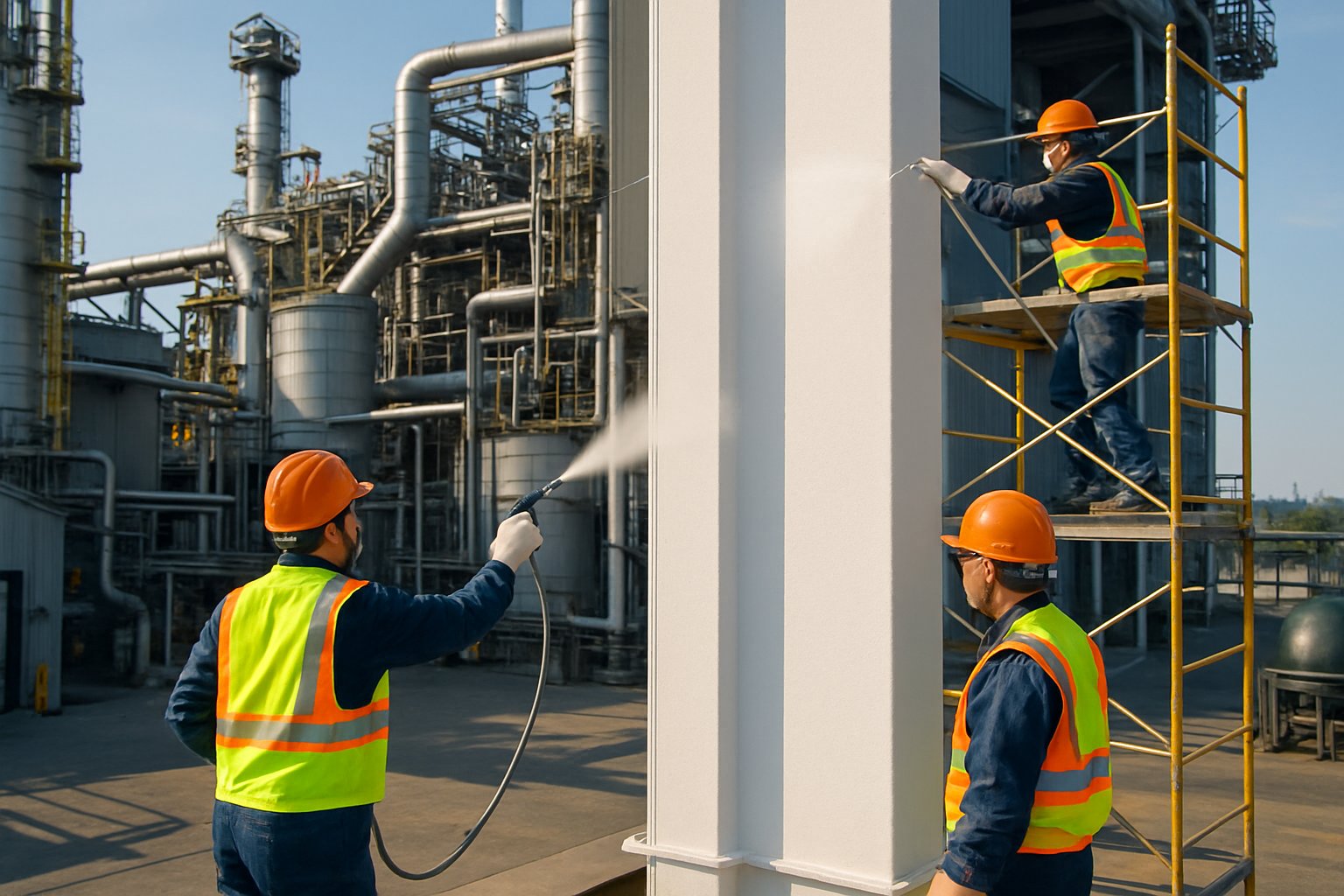
Industrial painters work in all kinds of buildings, and each one brings its own challenges. Different facilities need different prep, coatings, and sometimes even application techniques.
Warehouses and Distribution Centers
Warehouses need tough floor coatings that stand up to forklifts and chemical spills. Epoxy floors work best for resisting damage and stains.
Walls in these spaces should reflect light and handle bumps. High ceilings mean we need lifts or scaffolding to reach everything. Warehouses also have to keep their exteriors in shape to avoid rust and weather damage.
Distribution centers struggle with temperature swings, especially near loading docks. Moisture can build up, so coatings need to resist that.
A typical job in these spaces might include:
- Concrete floor prep and epoxy
- Steel structure painting
- Exterior wall and roof coatings
- Touch-ups around loading docks
Manufacturing Plants and Facilities
Manufacturing plants need coatings that resist chemicals, steam, and high heat. Regular paint just won’t cut it.
I recommend different coatings for each area. Food plants need FDA-approved finishes. Chemical plants need acid-resistant coatings.
Painting equipment means working around production schedules. Downtime is expensive, so timing matters for manufacturing facilities.
Common tasks here:
- Equipment coating
- Steel maintenance
- Clean room wall systems
- Safety lines and markings
Parking Garages and High-Rise Buildings
Parking garages deal with exhaust fumes, salt, and water leaks. Concrete needs a waterproof membrane before painting.
High-rise jobs need special lifts and careful timing. Wind can mess up spray applications above certain floors.
Stairwells and elevators need fire-rated coatings. Weather can delay exterior work, so we keep an eye on the forecast.
Typical work includes:
- Concrete sealing and waterproofing
- Traffic coatings
- Facade restoration
- Fire-resistant interior paint
Restaurants, Offices, and Retail Spaces
Commercial spaces need paint that looks good and holds up. Restaurant kitchens need grease-proof coatings that are easy to clean.
Offices want low-odor, quick-dry paints to avoid business interruptions. We often work nights or weekends to stay out of the way.
Retail stores change colors often for branding. The paint needs to cover well and be easy to update.
Things I keep in mind:
- Food-safe coatings for kitchens
- Low-VOC finishes for offices
- Durable paint for retail
- Fast turnaround
Surface Preparation and Application Techniques
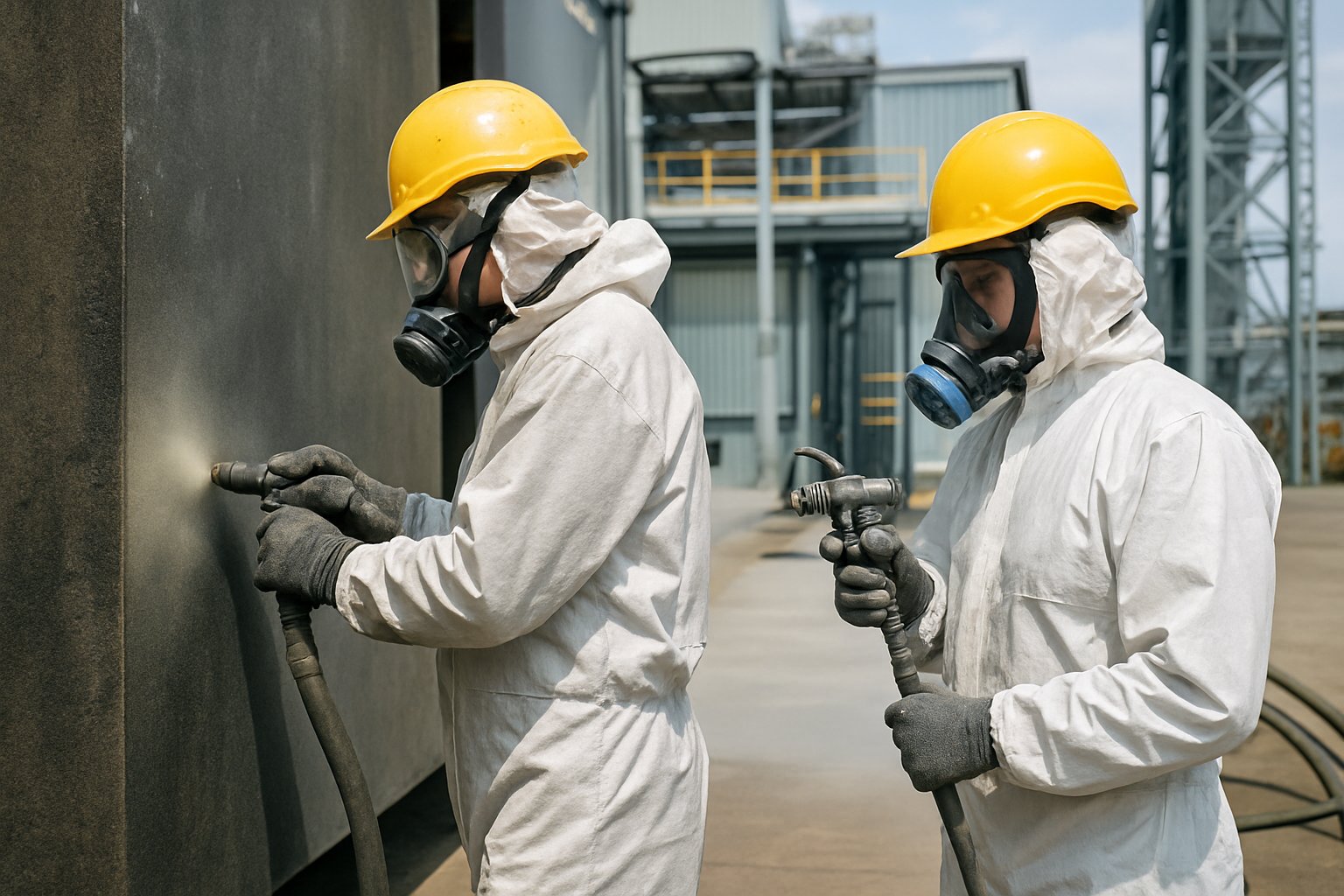
Good surface prep makes or breaks an industrial paint job. Sandblasting removes rust and old paint, giving new coatings something to grip. The right equipment and a solid priming process mean the finish will actually last.
Sandblasting and Abrasive Cleaning
I usually turn to sandblasting to get rid of rust, old paint, and grime on metal. It leaves a clean, rough surface that helps paint stick.
Waterjet blasting, abrasive blasting, and chemical cleaning each have their place. Which one I use depends on what I’m dealing with.
For heavy rust, I’ll use coarse abrasives like steel grit. If it’s just light contamination, sometimes a finer abrasive or a chemical cleaner is enough.
I always check the surface before picking my prep method. If I miss cracks or deep rust, the paint won’t last.
Blasting kicks up a lot of dust and debris. I use compressed air and vacuums to clean everything up. If anything’s left behind, the paint can fail.
Priming and Undercoat Application
Primer is key for adhesion and keeping rust at bay. I pick primers based on the metal type and the environment.
For bare metal, I put primer on within hours of blasting. If I wait too long, flash rust can set in. Sometimes, direct-to-rust primers are the best choice if there’s still some oxidation.
I switch up my application method depending on the job:
- Spray: Good for big or odd-shaped surfaces
- Brush: Handy for details and touch-ups
- Roller: Works well on big, flat areas
Getting the primer thickness right is important. I check it while I work—too thin won’t protect, too thick might crack or peel.
Temperature and humidity can mess with curing and adhesion. I keep a close eye on conditions and adjust my schedule if needed. Cold slows things down, and high humidity can cause surface issues.
Equipment and Metal Painting
My painting equipment choices always depend on the project and the surface. Airless sprayers make quick work of big metal structures, but when I need more control for detail work, I reach for a conventional spray gun.
For metal deck ceilings and overhead jobs, I rely on aerial lift platforms or scaffolding. These let me reach tough spots and keep things safe, which matters a lot on any job site.
I pay close attention to spray patterns and how much overlap I’m getting. That’s the only way to avoid streaks or thin spots. Adjusting gun distance and pressure is key, and I tweak those settings depending on the type of paint and whether I’m working on a wall or a ceiling.
Metal structures deal with a lot of wear and chemical exposure. For lasting results, I always apply several thin coats instead of one heavy one.
Between coats, I clean my equipment thoroughly. I flush the spray lines and pick solvents that match the paint system. Clean tools mean better finishes and longer equipment life.
Environmental factors definitely come into play. Wind, temperature, and humidity all change how paint lands and cures on metal.
Choosing an Industrial Painting Contractor
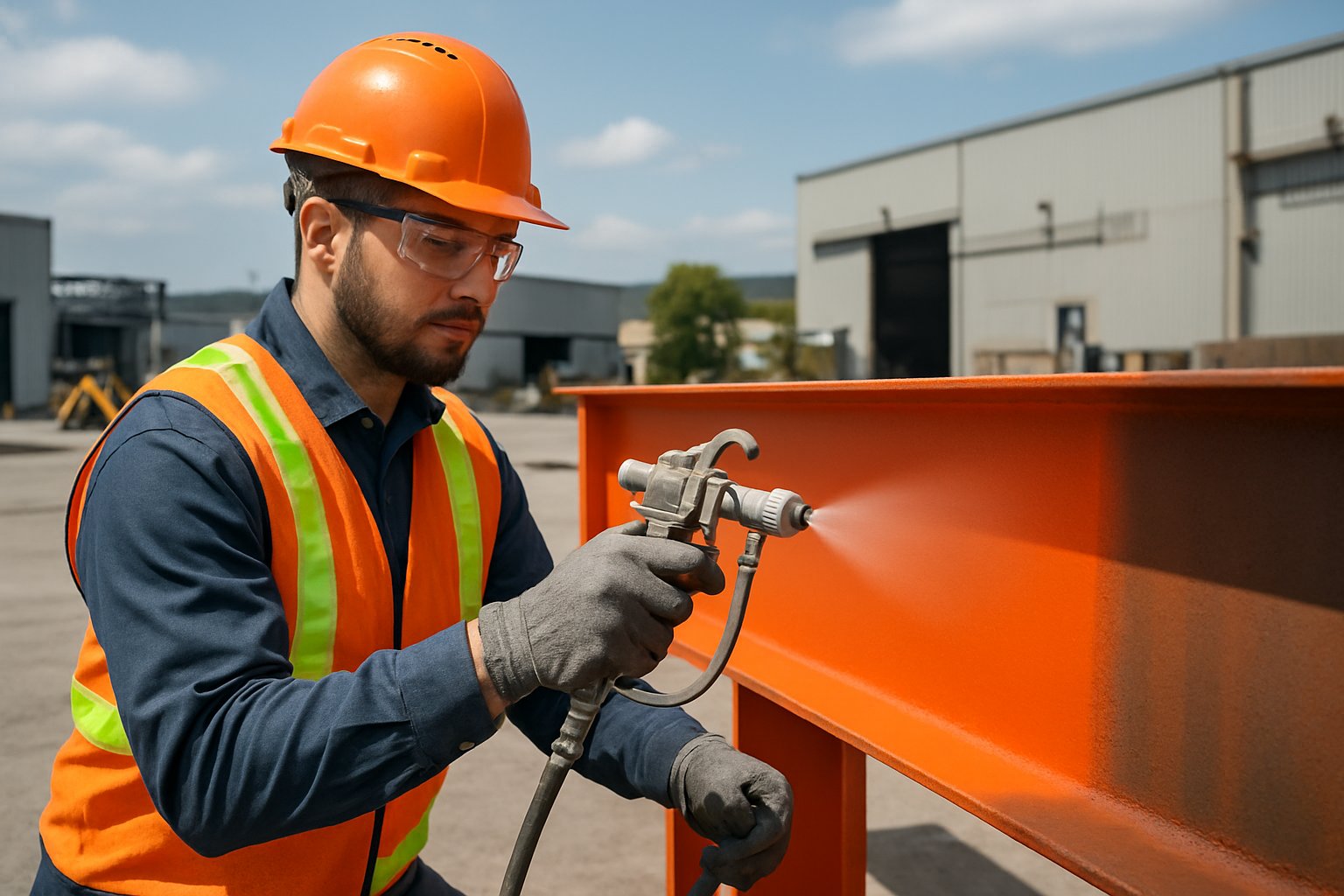
Picking the right industrial painting contractor isn’t just about price. I check their credentials, make sure they’re insured and licensed, and confirm they know the local rules. All of this affects the project’s quality and how smoothly things go.
Qualities of a Professional Painting Company
When I’m vetting contractors, I look for folks with real experience in industrial settings. Professional industrial painters usually have a track record of solid work in manufacturing, warehousing, and commercial spaces.
A good company will show off a project portfolio and have references from past clients. They should know their way around specialized coatings like epoxy, polyurethane, and anti-corrosive systems.
Clear communication is a must. I want timelines I can understand, written estimates, and regular updates. The best contractors explain their prep methods and why they choose certain paints or techniques—no jargon, just straight talk.
The pros use modern gear and follow industry best practices. They invest in quality spray systems, prep tools, and safety gear—stuff that shows they care about doing the job right.
Insurance, Licensing, and Safety Protocols
Before anything starts, I double-check that contractors carry solid liability insurance and workers’ comp. Industrial painting isn’t exactly risk-free, so insurance protects both my site and the crew.
Licensed contractors are more likely to follow the rules. I ask for license copies and confirm they’re up to date with the relevant authorities.
Safety matters, especially in busy industrial settings. I look for contractors who implement lockout/tagout, confined space procedures, and proper ventilation when working near machines or hazardous materials.
I’ll ask about their safety record, training, and OSHA compliance. They should hand over written safety plans tailored to my site and show they know how to handle industrial coatings safely.
Importance of Local Experience
Local contractors just get the quirks of painting in this region’s climate. They know how swings in temperature and humidity affect application and drying, which can save a lot of headaches.
Companies like Painting Canada have decades of experience around here. They know the local codes and what inspectors look for, which helps avoid delays.
Local crews often have better relationships with suppliers, so they can get specialty coatings fast. They also know which products actually hold up in our weather.
I prefer people who’ve worked in my industry and region. They’re already familiar with local permits, inspection routines, and any weird rules that might pop up.
Industrial Painting Project Planning and Management

Managing an industrial painting project means planning, scheduling, and budgeting with care. Without these, projects can spiral out of control or grind business to a halt.
Project Assessment and Estimating
Every job starts with a thorough site walk. I measure surfaces, check the state of old coatings, and look for issues like lead paint or asbestos.
Surface prep needs can swing a lot from job to job. Industrial painting contractors might pressure wash, sandblast, or shot blast, depending on what the surface needs.
I look at a few key things during assessment:
- How big and accessible the area is
- What coatings are already there
- Environmental conditions and how well the place is ventilated
- Safety requirements and what gear we’ll need
- Material specs and how far each gallon will go
Accurate estimates start with good measurements. I figure out material costs using coverage rates—usually around 350-400 square feet per gallon. Labor is the big expense, often 60-70% of the total.
New construction is usually easier. Surfaces are cleaner, so prep takes less time—sometimes 30-40% less than repainting old stuff.
Scheduling and Minimizing Downtime
Most industrial sites can’t just shut down for painting. I work with plant managers to find the best window.
Planned maintenance shutdowns are common times for painting. These usually last a week or two and need tight coordination with other trades.
I break big jobs into phases so parts of the facility stay open while we work elsewhere.
When I’m scheduling, I keep these in mind:
- Weather for any outdoor work
- Coating temperature and humidity needs
- Equipment and material delivery dates
- Worker safety training and certifications
Emergencies are a different story. If equipment fails or there’s a safety issue, sometimes you just have to get it done, schedules be damned.
Budgeting for Industrial Painting
Costs for industrial painting usually run $1.50-$4.00 per square foot, but specialty coatings can push that higher.
Materials make up 30-40% of the budget. Labor is the biggest chunk, mainly because skilled work and safety don’t come cheap.
Here’s how I break down estimates:
- Surface prep: 20-30%
- Primers and coatings: 25-35%
- Labor and supervision: 45-55%
- Equipment rental and safety gear: 5-10%
- Contingency: 10-15%
Experienced companies tend to give better estimates—they’ve seen it all and know what surprises to expect.
If you’re working on an older facility, budget extra. Hidden issues or environmental problems can bump costs by 20-30% if you don’t catch them early.
Specialized Coating Systems and Advanced Solutions
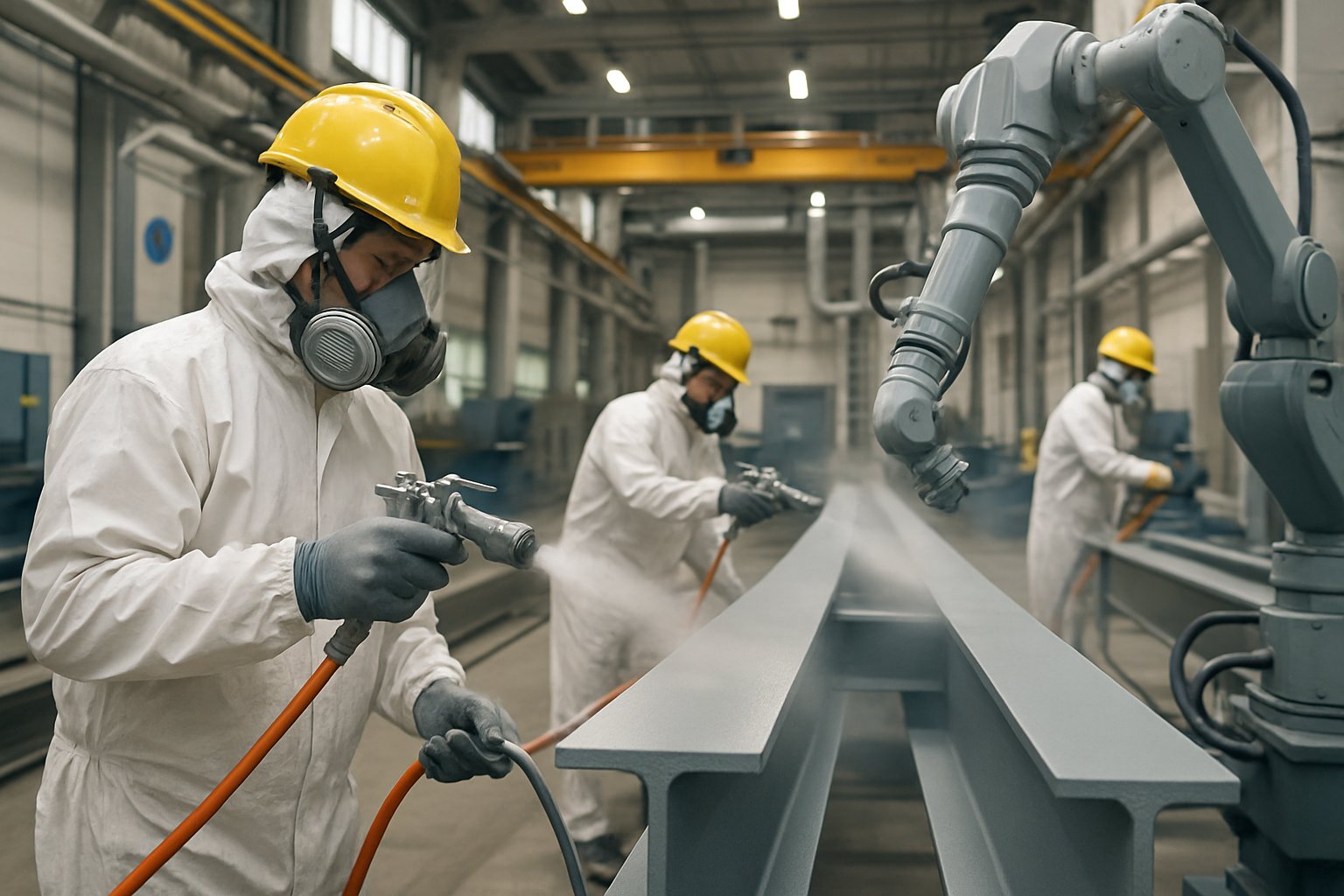
Industrial sites need more than just paint. Advanced coatings protect floors from heavy traffic, create fire barriers, and meet environmental standards.
Epoxy Floor Painting and Floor Markings
Epoxy floor coatings are tough and built for abuse. These two-part systems bond chemically to concrete, resisting chemicals, abrasion, and machinery.
I recommend epoxy for warehouses, plants, and loading docks. Coating thickness varies, but it’s usually 2-10 mils, depending on what the floor faces.
Common Epoxy Floor Applications:
- Warehouse floors with forklifts
- Chemical areas needing spill resistance
- Clean rooms that must stay spotless
- Parking garages exposed to salt and moisture
Epoxy jobs often include floor markings. Yellow for walkways, red for danger zones, blue for equipment—these make things safer and more organized.
Curing takes anywhere from a day to three, depending on climate. Proper prep—like shot blasting or grinding—makes all the difference for adhesion.
Intumescent and Fireproof Coatings
Intumescent coatings swell up when exposed to high heat, forming an insulating char. This keeps steel structures stable during fires, giving people time to get out.
These specialty coatings have to meet strict codes and insurance rules. Thickness varies from 1-4mm, based on the fire rating needed.
Fire Protection Applications:
- Steel beams and columns
- Ducts and ventilation
- Cable trays and conduits
- Storage tanks
I apply intumescent coatings with airless sprayers or brushes, depending on the detail needed. The coating stays inert until temps hit around 200°C.
Testing and certification are part of the process. Regular inspections help spot thin spots or areas needing touch-ups.
Low-Emission and Eco-Friendly Options
Low-VOC coatings have less than 50 grams per liter of volatile organic compounds. They help keep air cleaner but still perform well.
Water-based systems are easier to clean up and let you recoat faster than solvent-based ones. Powder coating skips VOCs altogether, using electrostatic application and oven curing.
Low-Emission Coating Types:
- Water-based acrylics for interiors
- High-solids polyurethanes for floors
- Powder coatings for metal
- UV-cured coatings for fast jobs
These options help meet air quality rules without sacrificing protection. They do cost a bit more—usually 10-20% over regular systems.
Worker safety improves, too, since there’s less solvent exposure. Ventilation needs drop, so you can work in tighter spaces that would be off-limits with traditional paints.
Frequently Asked Questions
Industrial painting in Southern Ontario isn’t just about rolling on some paint. It’s a mix of detailed prep, strict quality control, and coatings built for tough weather. Safety and technique make all the difference.
What are the most effective methods for surface preparation in industrial painting projects?
A good cleaning is always step one. I start with high-pressure washing to blast off dirt, grease, and loose stuff.
For metal, abrasive blasting is the gold standard. It creates the right profile for paint to stick.
Chemical cleaners help with stubborn gunk like oil or industrial residue. I pick degreasers based on what’s actually on the surface.
Getting the right surface profile—usually by sandblasting or wire brushing—makes all the difference. How rough it gets depends on the paint system.
As soon as prep is done, I prime the surface. That stops flash rust and helps the topcoat stick.
How do you ensure quality control and consistency in large-scale industrial painting jobs?
I keep track of every paint batch and mixing ratio to avoid color changes across the site.
My crew follows set spray patterns, thickness specs, and drying times for each coat. We use digital gauges to check thickness at several points.
I monitor temperature and humidity during application. If conditions aren’t right, we pause the job.
At every phase, I check prep, primer, and topcoat before moving on.
What are the environmental regulations impacting industrial painting in Southern Ontario?
VOC limits mean I often pick low-VOC or water-based coatings. Air quality permits might be needed for big spray jobs, and those set emission limits and application methods.
Waste rules govern how we handle paint sludge, old solvents, and contaminated stuff. I arrange disposal through licensed companies.
For outdoor work, overspray containment is a must. It keeps paint from drifting into the surroundings.
Can you describe the durability and lifespan of common industrial coatings used in harsh weather conditions?
Elastomeric coatings provide flexibility that helps prevent cracking when temperatures swing wildly. You can usually count on these systems to hold up for about 10-15 years, even in rough weather.
Epoxy primers do a great job resisting corrosion on metal surfaces. If you apply them right, they’ll often keep substrates in good shape for 20-25 years.
Polyurethane topcoats stand up well to UV rays and help colors stay true. In my experience, these finishes look decent for 8-12 years, even with lots of sun.
Multi-layer coating systems tend to last the longest in tough conditions. A solid three-coat setup can keep industrial structures protected for 15-20 years.
Ceramic-filled coatings handle crazy temperature swings and tough chemicals. Manufacturers usually back these with 10-year warranties, which says something.
What safety protocols are employed during industrial painting to protect workers and the site?
Personal protective equipment matters—a lot. I make sure everyone wears respirators, chemical-resistant gloves, and proper clothing, depending on what we’re spraying or rolling.
When we’re working higher than six feet, fall protection is non-negotiable. My crew uses harnesses, guardrails, or safety nets, adjusting to whatever the site calls for.
Confined spaces like tanks or tight rooms require extra steps. We always test the air, set up ventilation, and have a rescue plan ready, just in case.
Fire prevention gets serious attention. I ground equipment, keep ignition sources away, and make sure fire extinguishers and emergency communications are close at hand.
Good ventilation is key. We use fans or other systems to pull harmful vapors out and keep the work area safer for everyone.
How does the industrial painting process change with different substrates like metal, concrete, or wood?
Metal surfaces need a lot of prep. I usually start with wire brushing or abrasive blasting to get rid of rust.
After that, I go straight for zinc-rich or epoxy primers. Those really help with corrosion protection.
Concrete’s a different beast. It needs acid etching or sometimes just a good mechanical abrasion to help the paint stick.
For concrete, I always reach for alkaline-resistant primers. Otherwise, the alkalinity can mess up the coating.
Wood is even trickier. I have to check the moisture content first—no shortcuts there.
Before painting wood, I seal up the knots and use oil-based primers. It’s the only way to keep tannins from bleeding into the finish.
Every substrate wants its own surface profile for proper adhesion. Metal likes a 2-3 mil profile, but concrete only needs a light texture.
Choosing the right primer isn’t one-size-fits-all. What works for steel usually won’t cut it on concrete or wood unless you tweak the formula.