Effective Pest Control Solutions for Homeowners
Pests can be a big problem for homes and businesses in Southern Ontario. They can cause damage and spread diseases. That’s why pest control is so important.
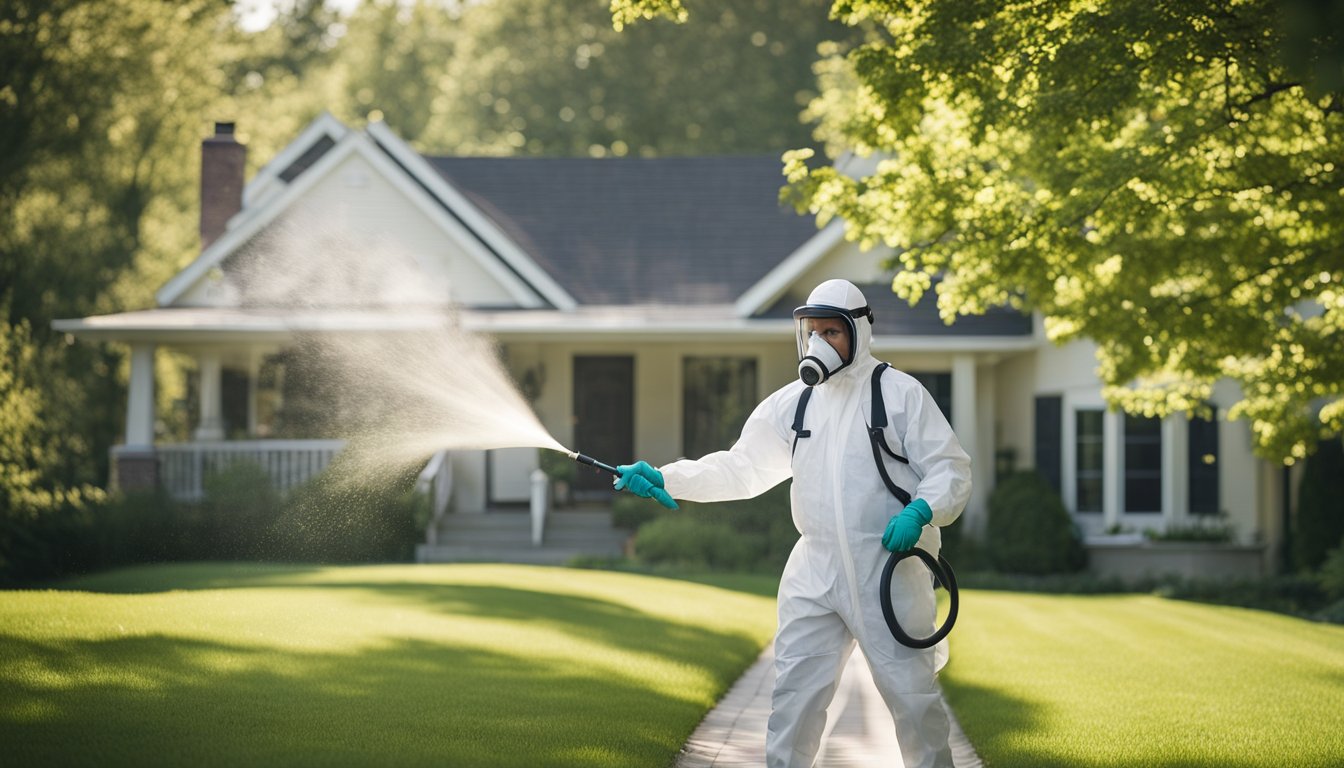
Pest control services in Southern Ontario use safe and effective methods to get rid of pests and keep them away. These experts know how to handle all kinds of pests that are common in the area. They can help with problems in houses, apartments, and commercial buildings.
You don’t have to deal with pests on your own. Professional pest control services can make your space safer and more comfortable. They have special tools and knowledge to solve pest issues quickly. Getting help early can stop small problems from turning into big ones.
Identifying Common Pests in Southern Ontario
Knowing how to spot common pests in Southern Ontario is key to keeping your home pest-free. Ants, rodents, and various insects can cause problems if left unchecked. Let’s look at how to identify these pests and understand their behaviors.
Ants and Their Habitats
Ants are tiny but troublesome pests in Southern Ontario homes. You might spot black garden ants or pavement ants in your kitchen or bathroom. These ants are small and dark-colored. They often make trails along walls or floors.
Carpenter ants are bigger and can damage wood. Look for:
- Sawdust near wooden structures
- Large black ants, about 1/4 to 1/2 inch long
- Small holes in wood trim or furniture
Ants like moist areas and food crumbs. Check under sinks, near pipes, and in wall voids. If you see winged ants indoors, it may mean there’s a nest nearby.
Rodent Behaviour in Urban and Rural Settings
Mice and rats are common in both city and country areas. In homes, you might hear scratching in walls or see droppings in pantries.
Signs of mice:
- Tiny droppings, about 1/4 inch long
- Gnaw marks on food packages
- Musty odor in enclosed spaces
Rat signs:
- Larger droppings, about 3/4 inch long
- Greasy rub marks along walls
- Burrows near building foundations
Rodents are active at night. They seek warm, hidden spots near food sources. Check dark corners, behind appliances, and in attics for nests.
Insect Infestations: Spiders, Flies, and More
Spiders, flies, and other insects can quickly become a nuisance. House spiders are common and often harmless, but their webs can be unsightly.
Spider signs:
- Webs in corners or near light fixtures
- Small, dark bodies with long legs
Flies can indicate poor sanitation. Look for:
- Clusters near windows or light sources
- Maggots in trash or compost
Wood roaches may enter homes by accident. They prefer outdoor habitats but can survive indoors. Check for:
- Oval, reddish-brown insects about 1 inch long
- Activity in damp basements or garages
Fleas often come from pets. They leave small, itchy bites on people and animals. Vacuum often and check pets for signs of fleas.
Residential Pest Control Services
Effective pest management keeps homes safe and comfortable. Homeowners have many options for dealing with unwanted critters, from natural solutions to professional treatments.
Eco-Friendly Solutions for Homes
You can use several gentle methods to deter pests in your house. Plant herbs like mint or lavender near entry points. These give off scents bugs dislike. Seal cracks and holes to block access. Keep food in airtight containers to avoid attracting pests.
Natural repellents like diatomaceous earth work well for some insects. This powder damages their exoskeletons. Boric acid traps are also useful for roaches and ants.
For rodents, ultrasonic devices emit high-frequency sounds. Humans can’t hear these, but mice and rats find them annoying. You can also try peppermint oil cotton balls in problem areas.
Pest Management for Apartments and Cottages
In shared living spaces, pest control needs a team effort. Talk to your neighbors about common issues. Report problems to your landlord quickly.
For cottages, check for signs of pests when you arrive. Look for droppings or chewed items. Remove any standing water to prevent mosquitoes. Use mesh screens on windows and doors.
In both settings, integrated pest management works well. This method uses many tactics together. It might include traps, baits, and changes to the space. The goal is long-term control, not just quick fixes.
Regular cleaning helps a lot. Vacuum often and wipe down surfaces. Pay special attention to kitchens and bathrooms. These areas often attract pests.
Commercial Pest Solutions
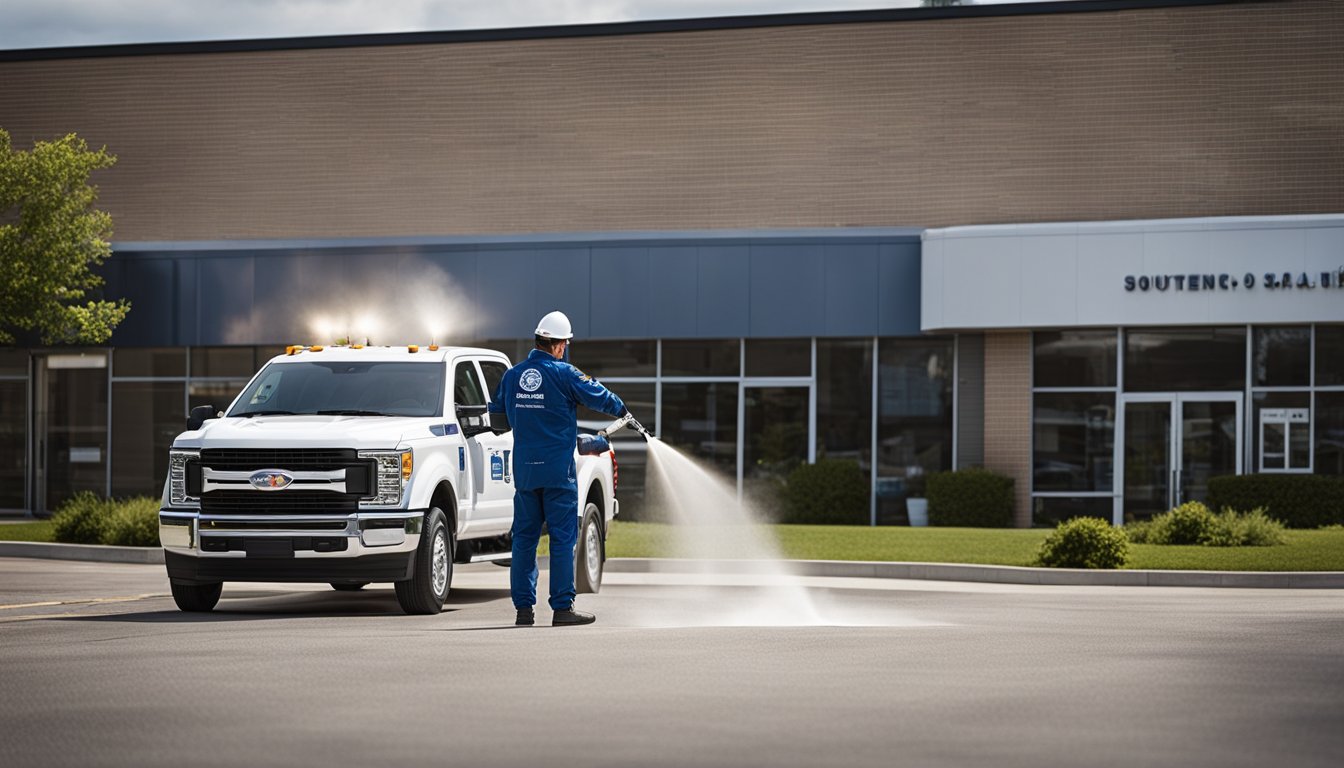
Effective pest control is crucial for businesses to maintain a clean and safe environment. Professional services offer tailored solutions to protect your company’s reputation and comply with health regulations.
Customized Programs for Businesses
Commercial pest control programs are designed to fit your specific needs. A thorough inspection of your property helps identify potential entry points and problem areas. Based on this assessment, experts create a plan targeting the pests common to your industry.
These programs often include regular treatments, monitoring, and preventive measures. You can choose from different service frequencies depending on your risk level. Some plans offer 24/7 emergency response for urgent pest issues.
Many providers use an Integrated Pest Management System to reduce reliance on chemicals. This approach combines multiple strategies like sanitation improvements, structural modifications, and targeted treatments.
Pest Control in the Food Service Industry
Restaurants and food processing facilities face unique pest challenges. Strict hygiene standards and frequent health inspections make professional pest control essential.
Services for food businesses typically include:
- Regular inspections of food storage areas
- Placement of pest monitoring devices
- Non-toxic treatments near food preparation zones
- Staff training on pest prevention practices
Providers use food-safe products and methods to protect your customers and inventory. They also help you maintain proper documentation for health inspections.
Commercial pest control services often offer discreet treatments to avoid disrupting your business operations. This can include after-hours visits or the use of unmarked vehicles to maintain your professional image.
Pest Control Techniques and Best Practices
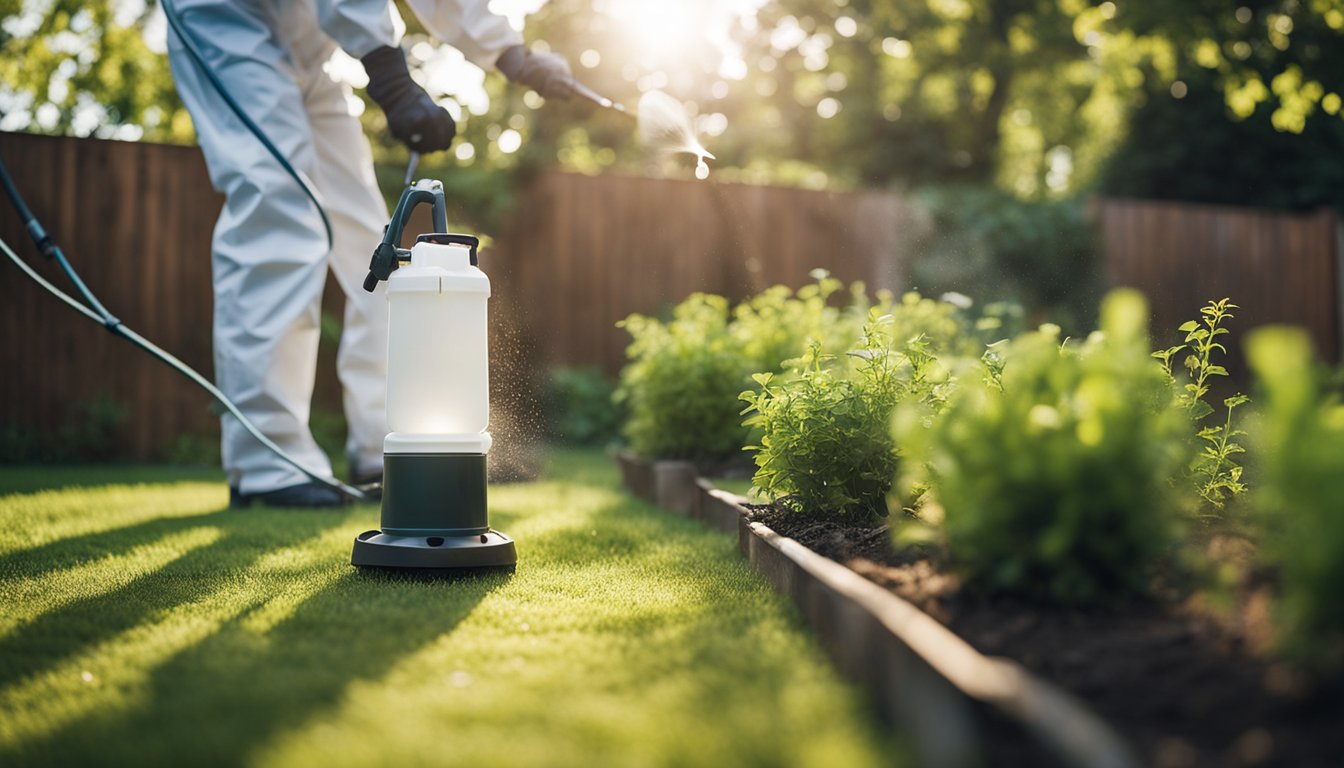
Effective pest control involves using targeted methods to address specific pest issues. These approaches aim to minimize risks while maximizing results.
Integrated Pest Management Approaches
Integrated Pest Management (IPM) is a smart way to deal with pests. It looks at the whole picture instead of just killing bugs. IPM starts by figuring out what pests you have and why they’re there.
Next, you set a level for how many pests you can handle. This helps you know when to act. IPM uses many tools to keep pests away. You might change how you take care of your yard or home. Or you could use traps to catch pests.
IPM also means using the right amount of pest control products. You only use them when you really need to. This way, you solve the problem without using too many chemicals.
Safe and Effective Pest Applications
When you need to use pest control products, it’s key to do it safely. Always read the label first. It tells you how to use the product the right way.
Choose the right product for your pest problem. Some work better for certain bugs or animals. Use only what you need. More isn’t always better and can be harmful.
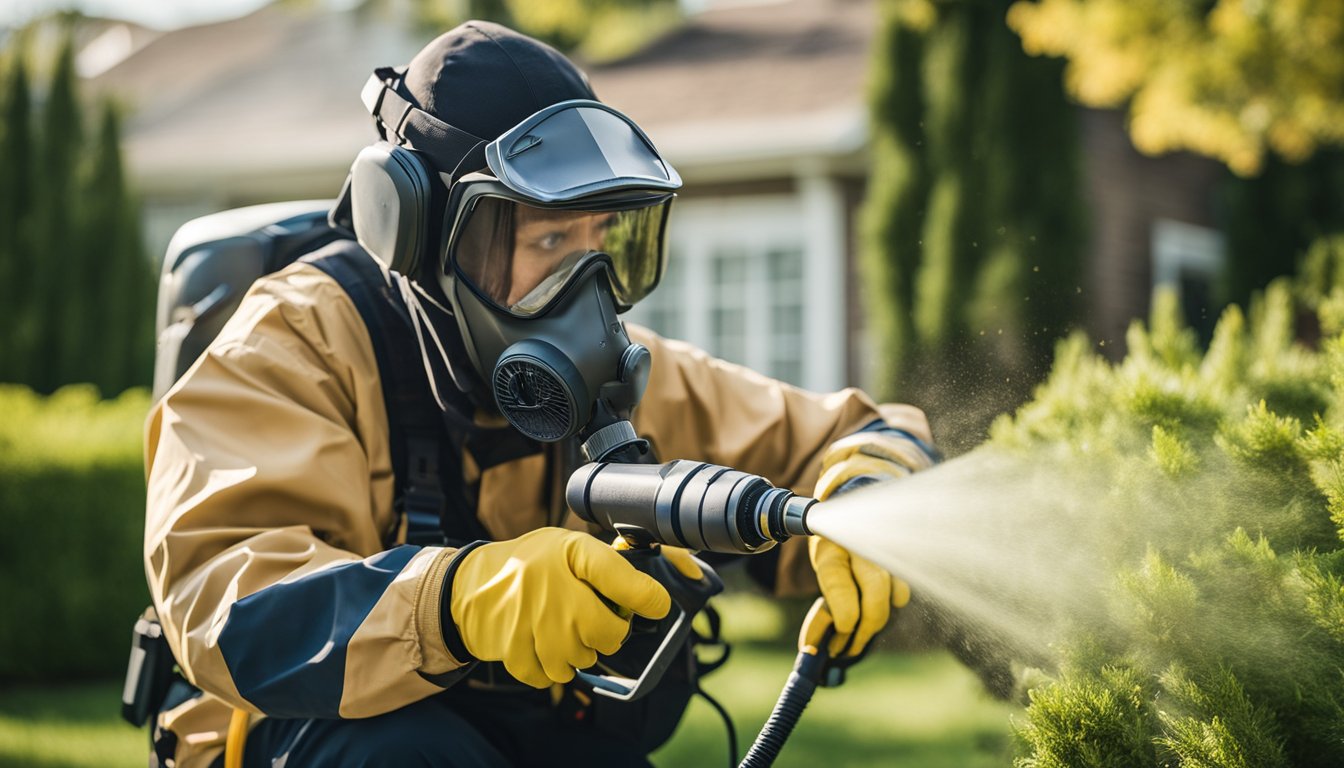
Wear safety gear like gloves and a mask when you apply products. Keep kids and pets away until it’s safe. Store products in a locked place where kids can’t reach.
Time your treatments well. Some pests come out at night, so that’s when you’d treat for them. Others are active in the day. Knowing when to act makes your efforts work better.
Protective Measures and Preventative Strategies
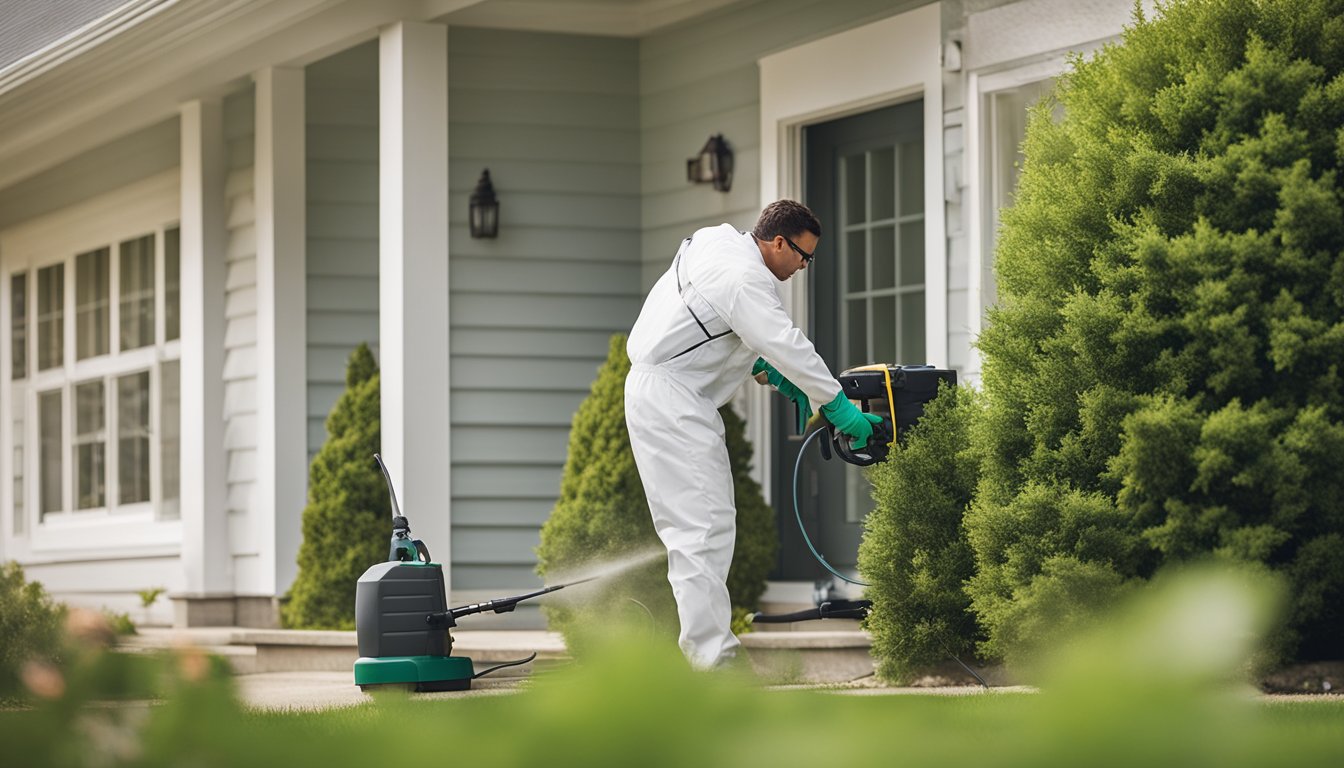
To keep pests out of your home, regular inspections are key. Check for cracks, gaps, and holes in walls, floors, and foundations. Seal these entry points to stop pests from getting in.
Keep your living spaces clean and tidy. Wipe up spills quickly and store food in airtight containers. This removes tempting food sources for pests.
Maintain your yard by trimming plants away from your house. Remove standing water and fix leaky pipes. These steps reduce moisture that attracts pests.
Use screens on windows and doors to block flying insects. Install door sweeps to close gaps under doors where pests can crawl through.
Consider using natural repellents like essential oils or herbs. These can deter some pests without harsh chemicals.
For bed bug prevention, inspect second-hand furniture before bringing it home. Use protective covers on mattresses and box springs.
To avoid ant problems, keep counters and floors free of crumbs. Store sweet items like honey in sealed containers.
For termite control, remove wood debris from around your home’s foundation. Keep firewood stacked away from the house.
If you spot signs of an infestation, act quickly. Early intervention can prevent small problems from becoming big ones.
Remember, consistent prevention is easier and less costly than dealing with a full-blown pest problem.
Frequently Asked Questions
Pest control is a common concern for homeowners in Southern Ontario. Many people have questions about the types of pests they might encounter and how to deal with them effectively.
What common pests are homeowners in Southern Ontario likely to encounter?
Homeowners in Southern Ontario often deal with ants, mice, rats, and cockroaches. You might also face issues with bed bugs, wasps, and bees. In some areas, wildlife like raccoons, skunks, and squirrels can become a nuisance.
How can one identify different types of bugs found in Ontario?
Look for specific physical features to identify bugs. Ants are small with three body segments. Cockroaches are oval-shaped with long antennae. Bed bugs are small, reddish-brown, and flat. If you’re unsure, take a photo and compare it to online pest identification guides.
What is the average cost of a pest control service in Southern Ontario?
Pest control costs vary based on the type of pest and the severity of the infestation. A single visit might cost between $150 to $400. For ongoing services, you might pay $300 to $600 per year. Always get quotes from multiple licensed providers to compare prices.
What pests have recently emerged as new threats in Southern Ontario?
Invasive species like the Asian long-horned beetle and emerald ash borer have become concerns in recent years. These pests can damage trees and affect local ecosystems. Be alert for signs of these insects in your yard or nearby wooded areas.
What responsibilities do landlords have regarding pest control in Ontario?
Landlords are responsible for maintaining pest-free living conditions. They must address pest issues promptly when notified by tenants. This includes hiring professional pest control services if needed. Tenants should report pest problems to their landlord immediately.
Which season is most suitable for carrying out pest control measures in Ontario?
Spring and fall are often ideal for pest control in Ontario. Many pests become more active in spring as temperatures rise. Fall is good for preventing winter infestations. However, pest control can be done year-round if you have an active problem.